The Second-Owner Calculation: A Used 24GB Workstation Card Versus New Midrange Silicon

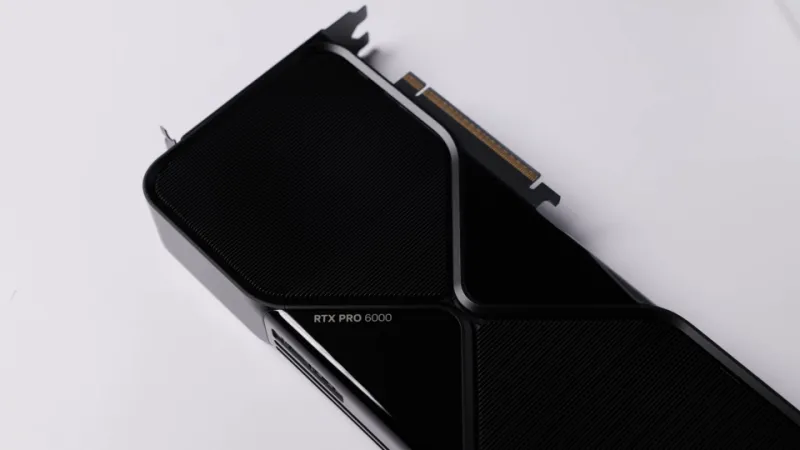
Photo: refurbished workstation GPU being inspected and installed inside desktop computer case, via i5.walmartimages.com
There is a recurring conversation in American studios right now, usually conducted over a purchase order and a deadline. The budget covers a new midrange workstation card with 16GB of memory. For roughly similar money, the secondary market offers a two-generation-old card with 24GB, a blower cooler, and a warranty that ranges from generous to imaginary.
The instinctive answer — used is cheaper, therefore used is better — is not an answer at all. It is a coin flip dressed as a strategy. The useful question is narrower: which specific creator workloads still benefit from last-generation flagship silicon in 2026, and which have quietly moved on?
What a Used Card Actually Carries Forward
A refurbished RTX A-series, Radeon Pro W6000-series, or Arc Pro card from the last several years still delivers three things that new midrange hardware sometimes does not: memory capacity, memory bandwidth, and a full-width implementation of the vendor's compute stack.
Memory is the headline. A 24GB card of 2021 vintage holds more scene data, more texture cache, and more timeline cache than a 16GB card built on a newer architecture. For a 3D artist working in dense CAD assemblies, or a colorist scrubbing a 6K timeline with noise reduction applied, that capacity often determines whether the job runs at all rather than how fast it runs.
Memory bandwidth matters alongside it. Flagship parts were designed around wide buses, and a midrange successor with a narrower interface can lose on bandwidth even while winning on instructions per clock. Streaming workloads — simulation previews, large photogrammetry sets, high-resolution compositing — feel that difference directly.
ISV certification is the third asset. Workstation cards carry certifications for CAD, DCC, and engineering applications that consumer cards do not, and a refurbished professional card retains that status as long as the driver branch supports it.
Where the Generations Diverge
The gap that matters most is not raw speed. It is feature support at the codec and API level, and it is where many buyers get caught.
- AV1 encoding. Hardware AV1 encode arrived with the Ada generation and is present in current Blackwell-era parts. Ampere-generation workstation cards generally lack it. For a studio delivering to streaming platforms, that is a real workflow difference, not a footnote.
- Tensor and ray-tracing throughput. Newer architectures deliver substantially more AI-accelerated denoising, upscaling, and rendering per watt. A used card may match a midrange newcomer on legacy raster work while falling well behind on anything accelerated.
- FP64 and engineering math. Double-precision throughput varies enormously across workstation SKUs, and it does not track the model number in any reliable way. Check the datasheet for the exact part.
- Driver support windows. Enterprise driver branches are long, but they are not infinite. Confirm that the specific card is still receiving current production-branch drivers rather than security-only legacy updates.
Workloads That Justify the Risk
A used 24GB card is a defensible purchase when the work is memory-bound and the feature set is stable.
Dense CAD and BIM. Assemblies that already exceed 16GB at load will not be rescued by a faster but smaller card. Certification plus capacity is the winning combination here, and both survive refurbishment.
GPU rendering with established engines. If the studio's renderer is already validated on the older architecture and the pipeline does not depend on the newest denoiser generation, a used flagship is straightforward value.
Multi-application editors. Timelines that keep several 4K streams resident alongside effects benefit from raw capacity more than from architectural novelty.
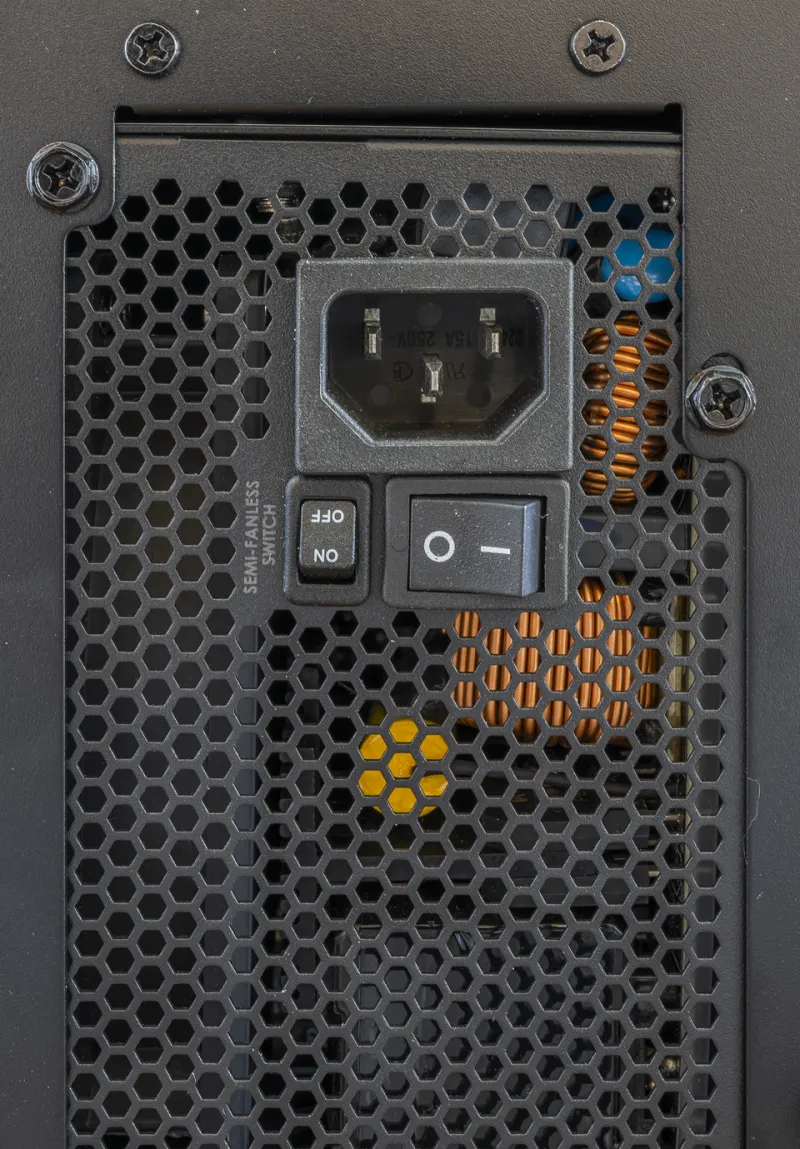
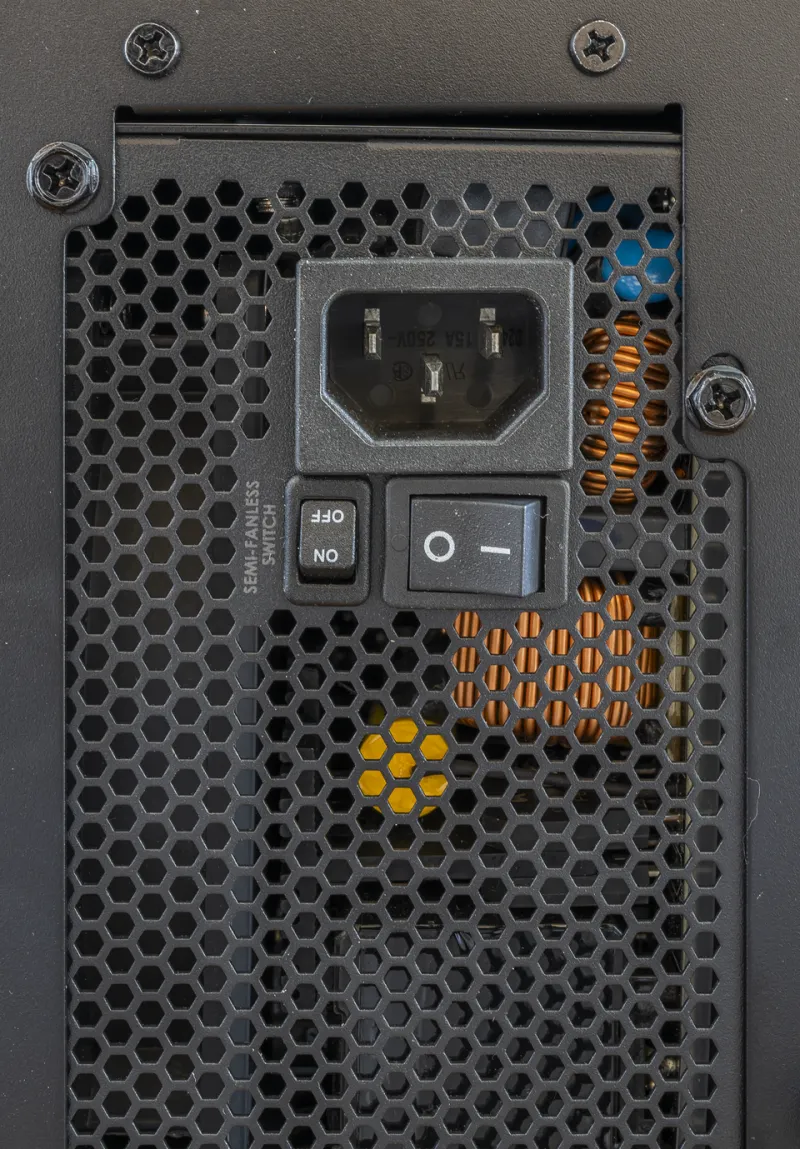
Studios with spare chassis and power headroom. A 300W blower card is a non-issue in a tower with an 850W supply and good airflow. It is a serious problem in a compact build.
Workloads That Do Not
New midrange silicon wins outright when the workflow depends on features the older part lacks. AV1-heavy delivery pipelines, AI-assisted upscaling inside the editing application, real-time ray-traced viewport work, and anything where the studio intends to keep the card in service for five years all point toward current-generation hardware with a full warranty and a longer driver horizon.
Small-form-factor workstations are the other clear case. A modern midrange professional card often fits a double-slot envelope with a single eight-pin connector and behaves quietly under load. A refurbished flagship may demand a 300W ceiling, two power connectors, and a blower that sounds like a rack server during a render. In an open-plan office, that noise is a productivity cost that never shows up in the comparison spreadsheet.
The Line Items Buyers Forget
Warranty structure. Refurbished units sold through established US retailers typically carry a 90-day to one-year third-party warranty. Manufacturer coverage is frequently non-transferable. Price that exposure honestly: a card that dies in month seven is a full loss, not a partial one.
Power and cooling. Budget for the connector type, the supply headroom, and the acoustic outcome. A used flagship that requires a power supply upgrade is no longer the cheaper option.
Sales tax, shipping, and returns. Marketplace purchases often mean return shipping at the buyer's expense, which changes the economics of a card that arrives with a bent bracket or a noisy fan bearing.
Resale value. Professional cards depreciate more slowly than consumer parts, particularly high-memory models, so a used purchase retains a meaningful fraction of its cost if resold in two years. That residual value is a genuine advantage and should be counted.
Verification. Ask for the serial number, a photograph of the actual unit, and confirmation that the card has not been used for sustained cryptocurrency mining. Mining wear is difficult to detect and disproportionately affects fan bearings and power delivery components.
A Practical Framework
Reduce the decision to four questions. First, does the workload exceed the memory of the new midrange candidate in normal, not worst-case, use? Second, does the pipeline depend on any codec or acceleration feature introduced after the used card's generation? Third, does the host machine have the power, slot width, and acoustic tolerance for a flagship part? Fourth, can the studio absorb the loss if the card fails outside warranty?
Four yeses favor the refurbished card. Any single no should send the buyer back to new midrange hardware, where the warranty, the efficiency, and the driver horizon are all purchased along with the silicon.
The secondary market is not a shortcut and not a trap. It is a different set of tradeoffs, and in 2026 it rewards studios that know precisely which resource their bottleneck actually is.